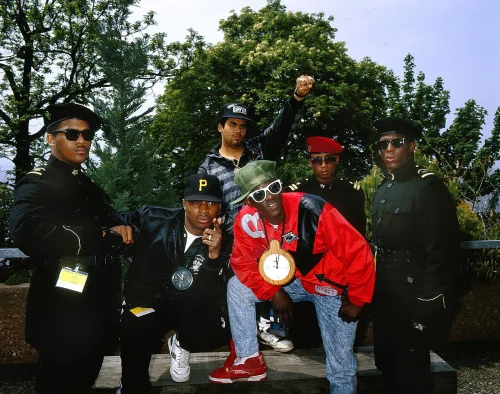
Hip hop has always been a genre built on reinvention. From looping breakbeats at Bronx block parties to crafting platinum records inside laptop studios, sampling remains one of its most powerful creative tools. Hip hop samples are more than production shortcuts—they are cultural artifacts, rhythmic foundations, and emotional triggers that connect generations of listeners.
The roots of sampling stretch back to pioneers like DJ Kool Herc, who isolated and extended drum breaks to keep dancers moving. Those early experiments laid the groundwork for producers who would later transform fragments of funk, soul, jazz, and rock into entirely new sonic landscapes. By the late 1980s and early 1990s, artists such as Public Enemy were layering dense sample collages that felt rebellious and cinematic, pushing technology and legality to their limits.
Sampling evolved from looping drum breaks to intricate chopping techniques. Producers like J Dilla introduced a humanized swing that felt loose yet intentional, redefining groove for an entire generation. Meanwhile, equipment such as the Akai MPC became iconic, turning bedroom studios into hit-making laboratories. The tactile feel of pads, the art of trimming waveforms, and the magic of pitching vinyl fragments up or down became a defining ritual of beat culture.
In today’s production environment, hip hop sampling has taken on new dimensions. Digital audio workstations like FL Studio and Ableton Live make it possible to stretch, warp, slice, and manipulate audio in ways that early producers could only imagine. A producer can take a two-second piano phrase, reverse it, layer it with vinyl crackle, and build a full arrangement in under an hour.
Yet the essence remains the same: sampling is about transformation. It’s about hearing potential where others hear fragments. A dusty soul record becomes the backbone of a boom bap anthem. A jazz chord progression morphs into a lo-fi study beat. A cinematic string stab fuels a trap chorus. Every sample carries history, but its future depends on the producer’s imagination.
The legal landscape around sampling has also shifted significantly. In the 1990s, lawsuits reshaped the industry, forcing artists and labels to clear samples or face costly consequences. As a result, many modern producers rely on royalty-free sample packs and origina
© 2026, Logan. All rights reserved.